AREDS2 Explained
The study, the formula, the population—and the common mistake of treating every eye supplement as an AREDS2 substitute.
Reviewed October 2, 2026
What AREDS2 actually is
AREDS2 was a large National Eye Institute study in people with intermediate AMD in both eyes or intermediate AMD in one eye and advanced AMD in the other. It tested modifications to the original AREDS formula. The current AREDS2 formulation commonly referenced by NEI contains vitamin C, vitamin E, copper, zinc, lutein and zeaxanthin in specific amounts.
| Nutrient | AREDS2 amount |
|---|---|
| Vitamin C | 500 mg |
| Vitamin E | 400 IU |
| Copper | 2 mg |
| Zinc | 80 mg |
| Lutein | 10 mg |
| Zeaxanthin | 2 mg |
Who was studied?
NEI explains that AREDS2 enrolled participants ages 50–85 with intermediate AMD in both eyes or intermediate AMD in one eye and advanced AMD in the other. People without AMD or with early AMD were excluded because the earlier AREDS data did not show benefit for those groups.
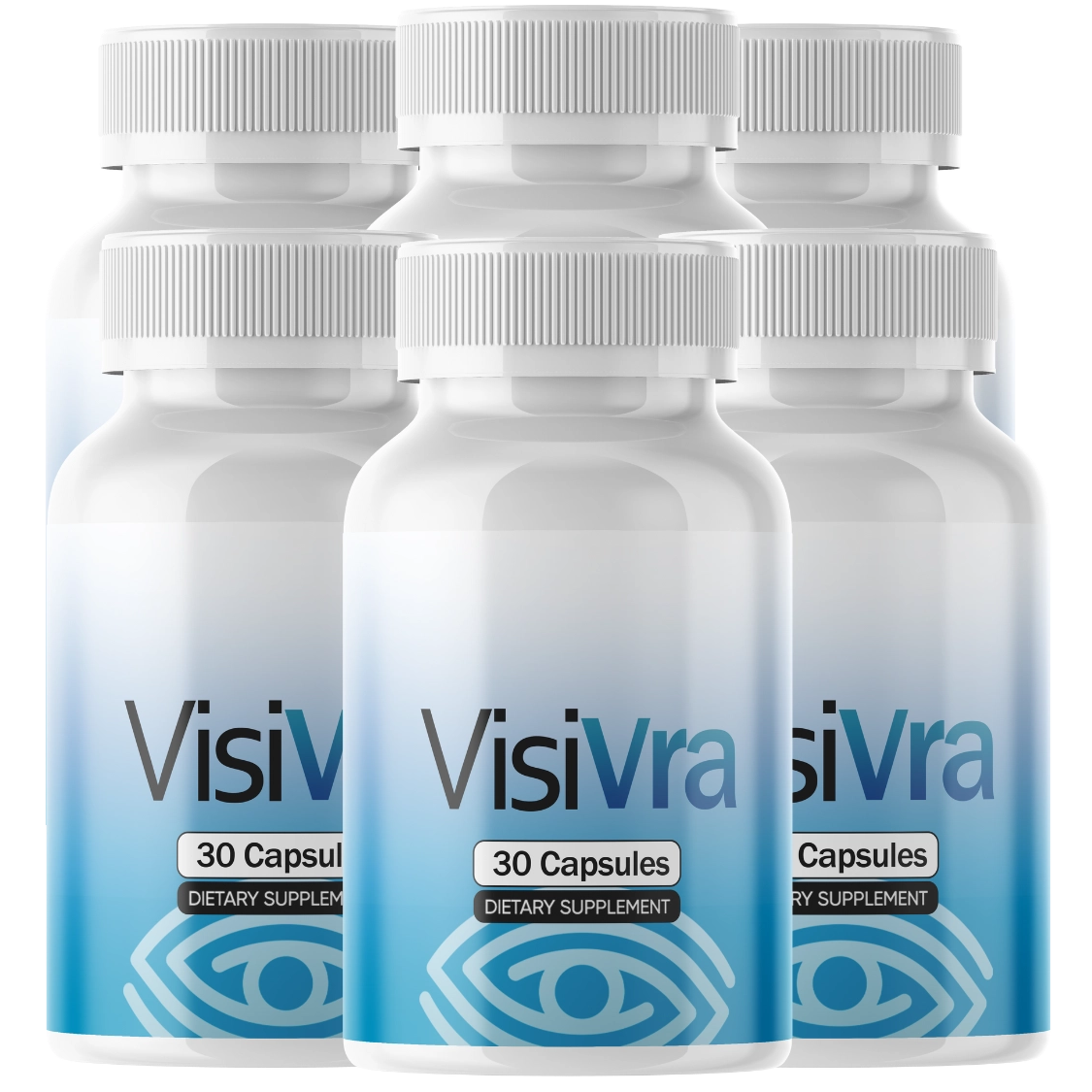
What this means for VisiVra
VisiVra contains some overlapping ingredient categories—lutein, zeaxanthin and zinc—but the public product page does not list matching doses and its named actives differ from the full AREDS2 formula. Therefore, it should not be represented as an AREDS2 equivalent based on the available disclosure.
Why copper appears in AREDS2
NEI states copper was included because high zinc intake can contribute to copper deficiency. That is a useful illustration of why the amount of a nutrient can matter as much as its presence on a label.
Talk to your eye-care professional
Whether AREDS2 is appropriate depends on your eye diagnosis and individual health context. This is not a decision to make from a generic “best eye vitamin” list.
Sources & verification
Product details were checked on October 2, 2026. Merchant and manufacturer pages can change after publication.