How to Compare Eye Supplements
A practical framework for separating label facts, ingredient evidence and finished-product claims.
Reviewed October 2, 2026
Start with the reason you are shopping
Eye supplements occupy several different lanes. Some are general nutrition products. Some focus on macular carotenoids. Some are designed to match the AREDS2 formulation for people with specific AMD stages. Those use cases should not be treated as interchangeable.
Five label questions that matter
- Are the active amounts disclosed? Ingredient names without quantities prevent direct comparison with research doses.
- Is the product claiming AREDS2 equivalence? If so, compare it with the exact NEI formula.
- Does zinc appear without copper? Higher zinc intake can interfere with copper absorption; dose matters.
- Which form of vitamin A is used? Vitamin A is fat-soluble and its form and total intake matter.
- Is there testing or certification? Third-party verification can add confidence that label claims match contents, though it does not prove clinical benefit.
Food, supplements and eye care are different layers
A supplement can add nutrients, but it cannot replace an eye examination or treat a disease just because an ingredient has been studied. For AMD, the National Eye Institute specifically advises speaking with an eye-care professional about whether an AREDS2 formula is appropriate.
Where VisiVra sits
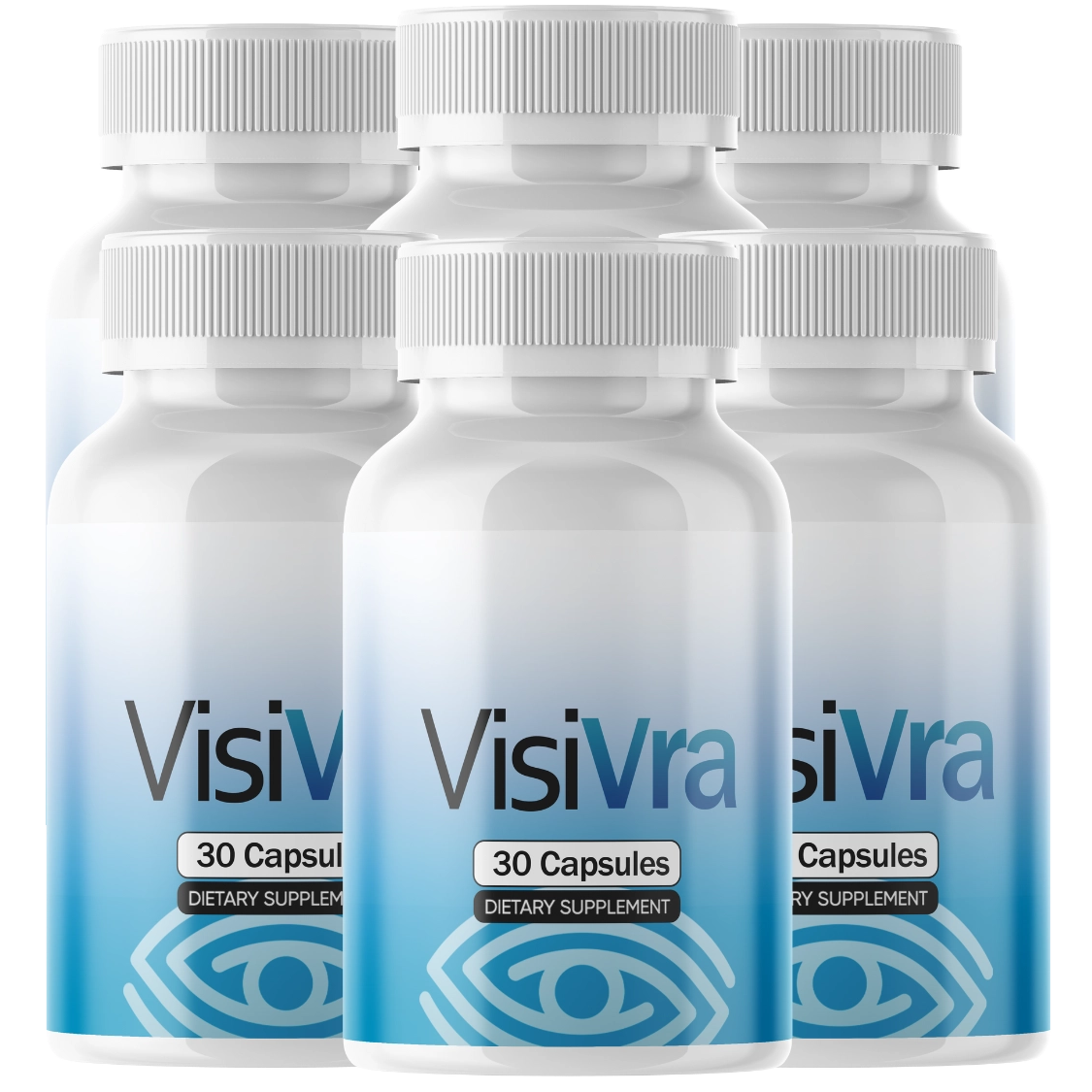
VisiVra belongs in the general multi-ingredient eye-health supplement category. It names six actives spanning carotenoids, a botanical extract and micronutrients. Without exact doses, its formula is harder to map directly to clinical study protocols than products with complete Supplement Facts disclosure.
Use the label checklist See VisiVra Offer
Sources & verification
- National Eye Institute: AREDS2 supplements for AMD
- NIH ODS: Zinc fact sheet
- NIH ODS: Vitamin A fact sheet
Product details were checked on October 2, 2026. Merchant and manufacturer pages can change after publication.