Eye Supplement Label Checklist
Use this checklist to compare formulas before a polished sales page makes the decision for you.
Reviewed October 2, 2026
1. Find the Supplement Facts panel
A serious comparison starts with amounts, not ingredient names. If a sales page lists “lutein” but not the milligrams, you cannot responsibly compare it with a study that used a stated dose.
2. Confirm serving size
A bottle might contain 30 capsules, but a serving could be one or more capsules. Convert every amount to the daily serving before comparing products.
3. Check the exact nutrient forms
For vitamin A, note whether the source is preformed vitamin A or a provitamin A carotenoid. For zinc, note the form and total elemental amount. If you cannot tell, ask the manufacturer.
4. Separate research formula from marketing framework
Terms such as “ocular matrix,” “vision complex,” or “blue-light support blend” can be useful branding, but they are not standardized clinical formulations. When a product references AREDS2, compare the actual label with the NEI formula.
5. Look for balance and interactions
Zinc is a good example: higher supplemental zinc can interfere with copper absorption. Other nutrients and medications can also interact. Your clinician or pharmacist can help you evaluate your total intake.
6. Treat testimonials as anecdotes
A customer report can describe one person’s experience. It cannot establish that a supplement caused an outcome, predict what will happen to you, or replace controlled evidence.
7. Check return terms before the clock starts
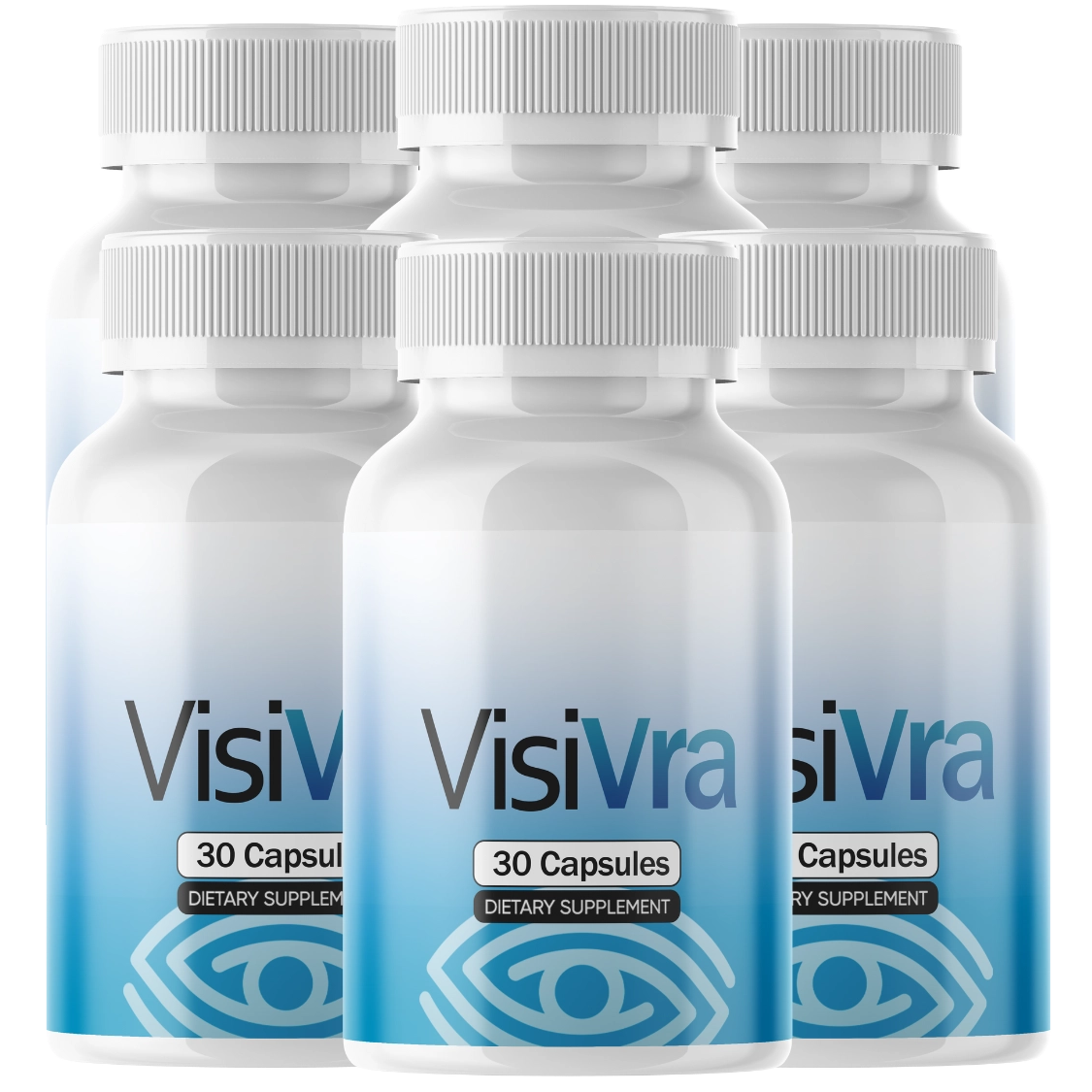
VisiVra’s seller states its 60-day return period begins on the purchase date. Save the order confirmation, return instructions, and deadline.