Lutein & Zeaxanthin
The strongest-known research context for two of VisiVra’s named ingredients—and the limits of applying it to an undisclosed dose.
Reviewed October 2, 2026
What are lutein and zeaxanthin?
Lutein and zeaxanthin are xanthophyll carotenoids concentrated in the macula. They contribute to macular pigment and are widely studied in nutrition and visual science.
What did AREDS2 use?
In the AREDS2 formulation described by the National Eye Institute, the daily amounts were 10 mg lutein and 2 mg zeaxanthin, alongside vitamin C, vitamin E, zinc and copper. That specific context matters: the results were observed in a defined AMD population using a broader formulation.
What has other research found?
Randomized studies outside AREDS2 have reported increases in macular pigment optical density after lutein/zeaxanthin supplementation, and some have observed changes in visual performance measures. Study populations, doses, durations and endpoints vary, so those results should not be projected onto an undisclosed finished-product dose.
How does this relate to VisiVra?
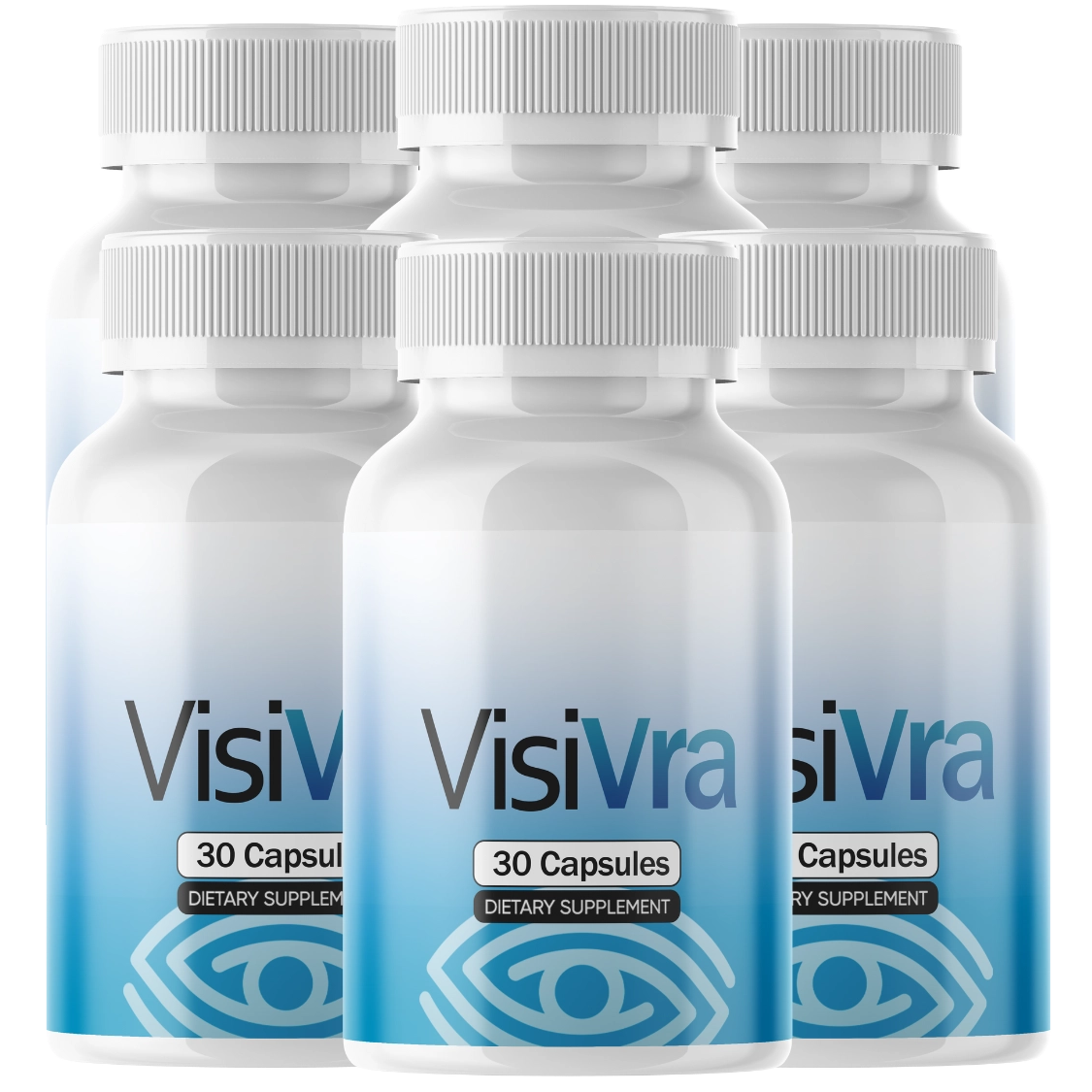
VisiVra names both lutein and zeaxanthin. The missing piece is amount. Without that, we can say the ingredients are relevant to eye-health research, but not that VisiVra reproduces a specific trial protocol.
Food sources still matter
Lutein and zeaxanthin occur naturally in foods such as leafy green vegetables, corn and egg yolk. Supplement decisions should fit into overall diet and health context rather than replace it.
Sources & verification
- National Eye Institute: AREDS/AREDS2 FAQ
- PubMed: randomized lutein/zeaxanthin visual-performance trial
Product details were checked on October 2, 2026. Merchant and manufacturer pages can change after publication.