Macular Pigment Explained
What the macula concentrates, what researchers measure, and what supplement marketing often oversimplifies.
Reviewed October 2, 2026
What is macular pigment?
Macular pigment is concentrated in the central retina and is composed primarily of the carotenoids lutein, zeaxanthin and meso-zeaxanthin. Researchers measure it with methods such as macular pigment optical density (MPOD).
Why supplement studies measure MPOD
Several randomized trials have tested whether supplementation with macular carotenoids changes MPOD and selected visual-performance measures. An increase in MPOD is a biological measurement; it should not be casually translated into a claim that a product “restores eyesight.”
How VisiVra relates
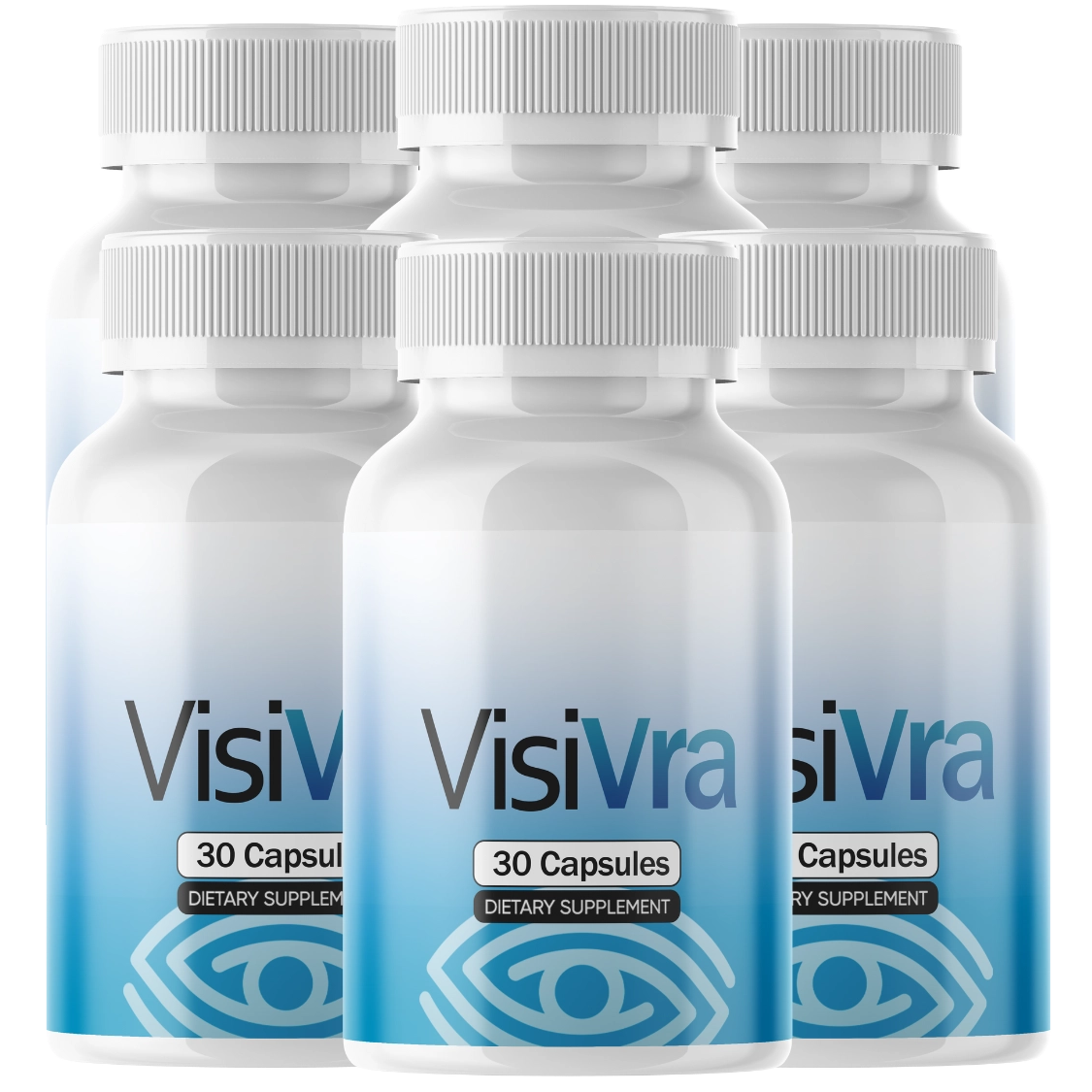
VisiVra names lutein and zeaxanthin, two macular carotenoids. It does not name meso-zeaxanthin. Because the active amounts are not published on the sales page we reviewed, we cannot map VisiVra’s daily dose to a specific macular-pigment study.
Macular pigment versus AREDS2
These topics overlap but are not identical. AREDS2 studied a multi-nutrient formulation and disease-progression outcomes in defined AMD populations. Macular-pigment trials may involve healthy participants, early disease, or different carotenoid combinations and endpoints.
Sources & verification
- PubMed: lutein/zeaxanthin randomized visual-performance study
- National Eye Institute: AREDS/AREDS2 FAQ
Product details were checked on October 2, 2026. Merchant and manufacturer pages can change after publication.