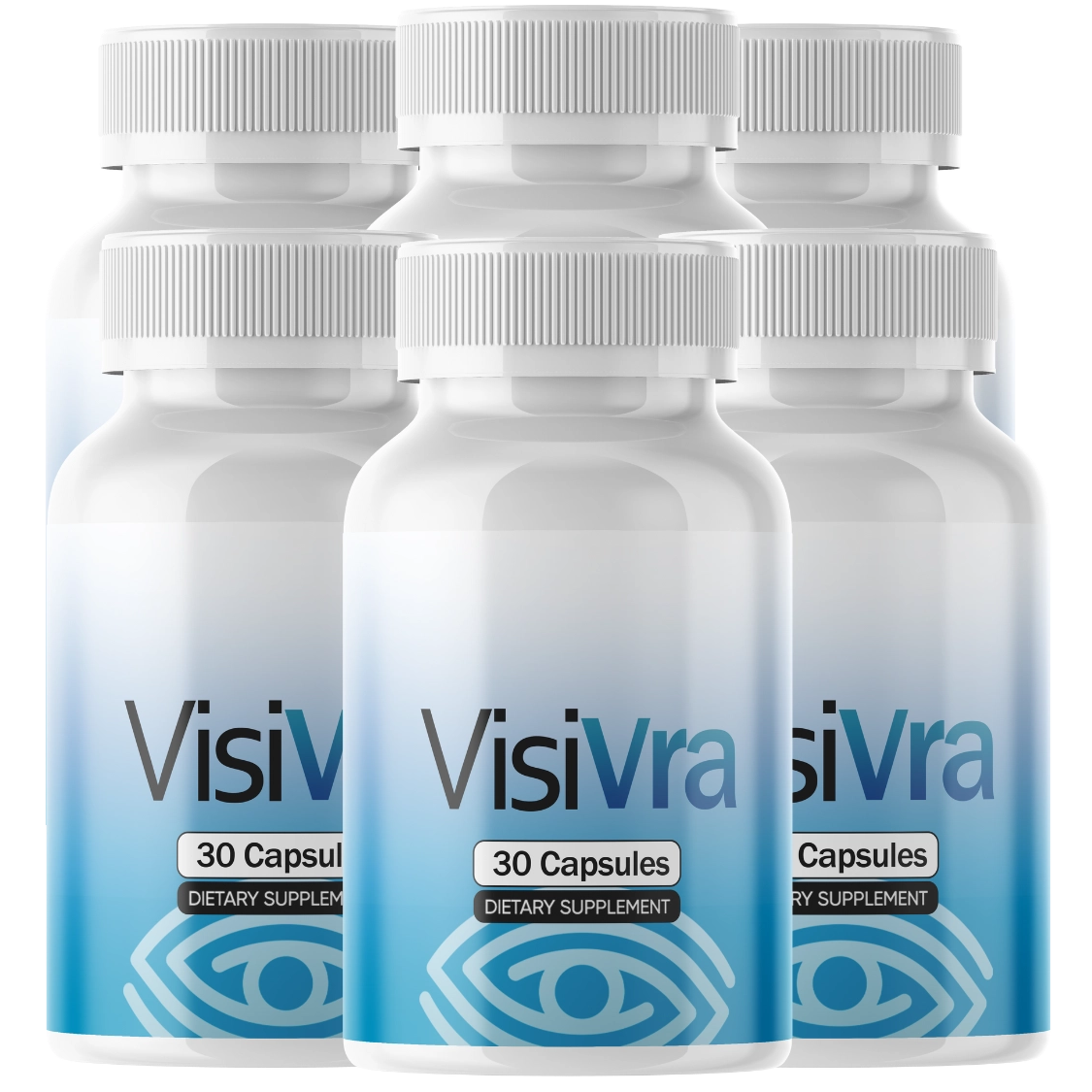
VisiVra Ingredients
What the six named actives are, what the research can tell us, and what it cannot tell us without exact VisiVra doses.
Reviewed October 2, 2026
The six ingredients VisiVra names
The seller’s current materials name lutein, zeaxanthin, bilberry extract, astaxanthin, zinc and vitamin A. The public sales page we reviewed does not show an amount for each active, so this page does not estimate them.
| Ingredient | What it is | Relevant evidence context | What we cannot infer about VisiVra |
|---|---|---|---|
| Lutein | A xanthophyll carotenoid concentrated in macular pigment. | Studied with zeaxanthin in AREDS2 and multiple macular-pigment trials. | Whether VisiVra provides the same daily amount as any trial. |
| Zeaxanthin | A second macular xanthophyll carotenoid. | Often studied alongside lutein. | The amount per capsule. |
| Bilberry extract | An anthocyanin-rich botanical extract. | Small randomized trials have examined eye-fatigue and accommodation outcomes. | Extract standardization or dose. |
| Astaxanthin | A carotenoid pigment found in microalgae and some marine foods. | Small trials have studied visual-display and eye-function outcomes. | Whether the product matches the dose or combination used in those studies. |
| Zinc | An essential mineral. | Zinc is part of the AREDS/AREDS2 formulation; high supplemental intakes can affect copper status. | The amount, form, or whether copper balance is relevant for this formula. |
| Vitamin A | A fat-soluble vitamin required for normal vision physiology. | NIH notes vitamin A is essential for rhodopsin and normal ocular tissues. | Its form or dose in VisiVra. |
Lutein and zeaxanthin: the best-established eye-health pair in the formula
Lutein and zeaxanthin are concentrated in the macula and have been studied for macular pigment and visual-performance outcomes. In AREDS2, the National Eye Institute used 10 mg lutein and 2 mg zeaxanthin within a specific multi-nutrient formulation for participants with particular AMD stages. That does not mean any product containing these two carotenoids is an AREDS2 formula.
Bilberry and astaxanthin: interesting, but evidence is narrower
A randomized placebo-controlled bilberry trial in adults who used visual display terminals reported improvements in some eye-fatigue measures after eight weeks at 480 mg/day. Other bilberry trials used different standardized extracts and doses. Astaxanthin has also appeared in small randomized trials, including combination formulas with lutein and zeaxanthin. These studies support continued research; they do not establish the effect of VisiVra because the finished product and amounts are different or undisclosed.
Zinc and vitamin A: nutrients where dose matters
NIH’s Office of Dietary Supplements describes vitamin A as essential to normal vision and retinal phototransduction. Zinc is an essential mineral with many biological roles. At higher supplemental intakes, zinc can interfere with copper absorption, which is one reason the AREDS formulas included copper. Without VisiVra’s stated zinc dose, we cannot determine how that issue applies to the product.
Sources & verification
- National Eye Institute: AREDS/AREDS2 FAQ
- PubMed: randomized bilberry trial in visual-display workers
- PubMed: astaxanthin/lutein/zeaxanthin visual-display trial
- NIH ODS: Vitamin A fact sheet
- NIH ODS: Zinc fact sheet
Product details were checked on October 2, 2026. Merchant and manufacturer pages can change after publication.